Story of Origin & Shaun Dudley
AMPERSAND
Reading: Story of Origin & Shaun Dudley
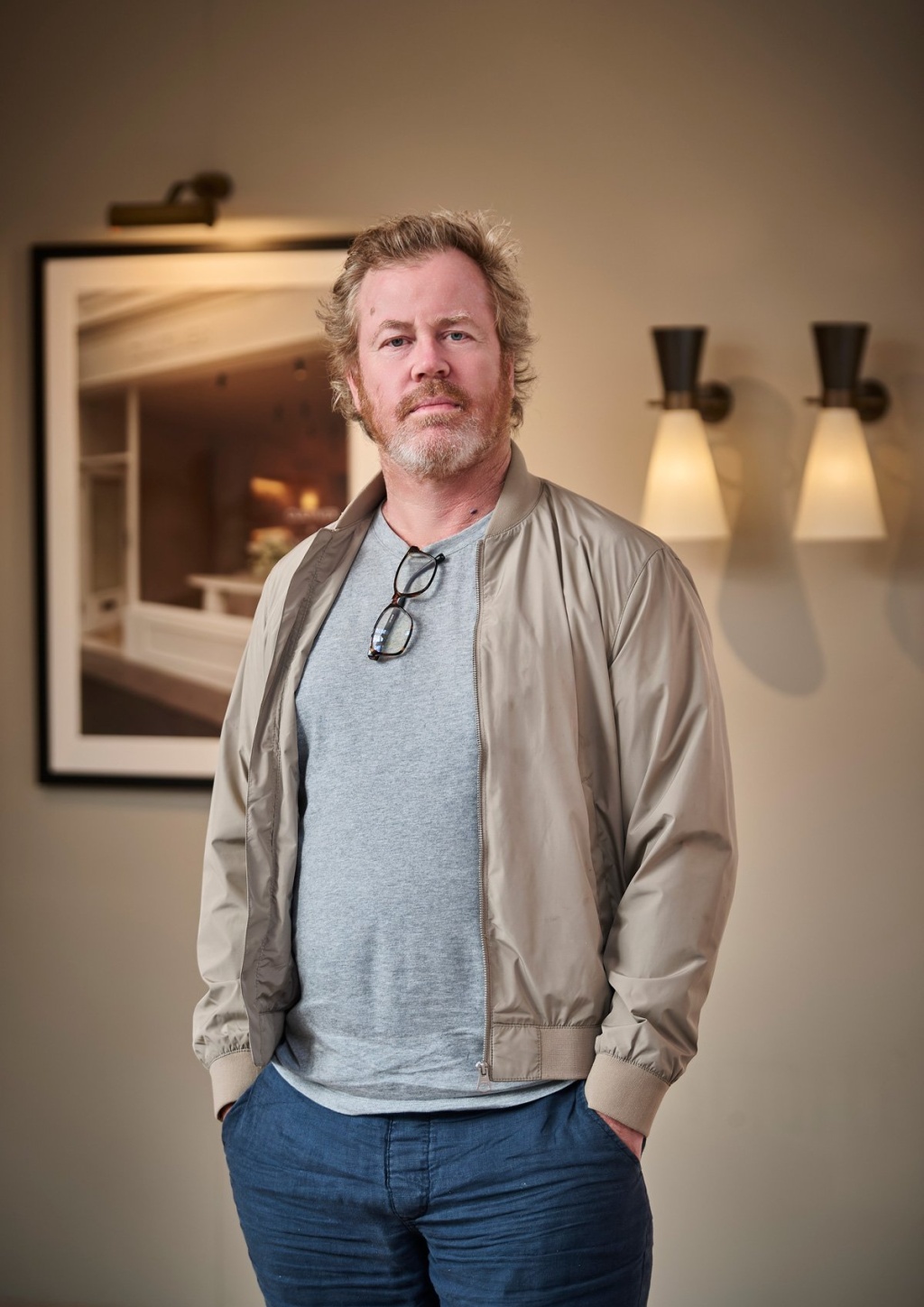
For more than a decade, Shaun Dudley has helped shape the way light is experienced across our projects.
Long before founding Transmitt, his fascination with light began backstage in a South African school theatre. What followed wasn’t a carefully planned career, but one built on curiosity, experimentation and making.
Principal Jeremy Bull [JB] sat down with Shaun Dudley [SD] to explore his lifelong fascination with the making of light.
[JB]
Shaun, where did it all begin?
[SD]
It goes way back. At high school in South Africa I enjoyed theatre, but I was probably too shy to be on stage. Instead I started building sets. Then, when the senior student doing the lighting finished school, the drama teacher asked if a friend and I wanted to take it over. We gave it a go and it was just a thing that sort of came our way.
[JB]
What happened once you finished school?
[SD]
In South Africa at that time, you either went to uni or you were conscripted into the army. There was no gap year. I wasn’t inclined to go to the army, so I studied lighting and sound for theatre at Technikon Natal, a practical college in Durban where I grew up. I focused on lighting and worked in theatres on the side.
[JB]
Did you ever question whether it was what you wanted to do?
[SD]
No, not at all. I thoroughly enjoyed it. I love theatre. There’s a magic in it. I’ve done lots of different jobs in my life and I’ve never come across it in anything else.
[JB]
Was it the lighting or being in theatre?
[SD]
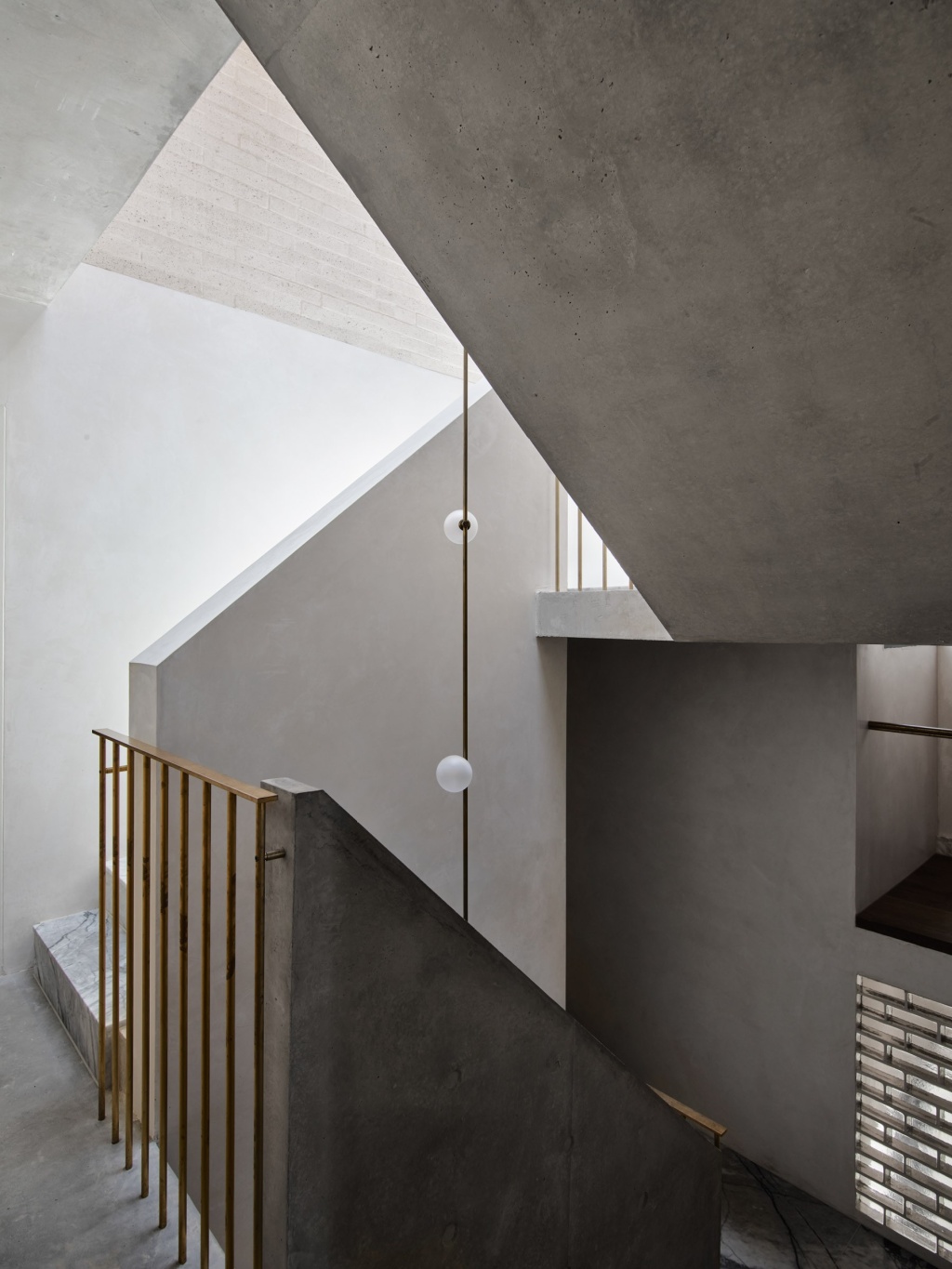
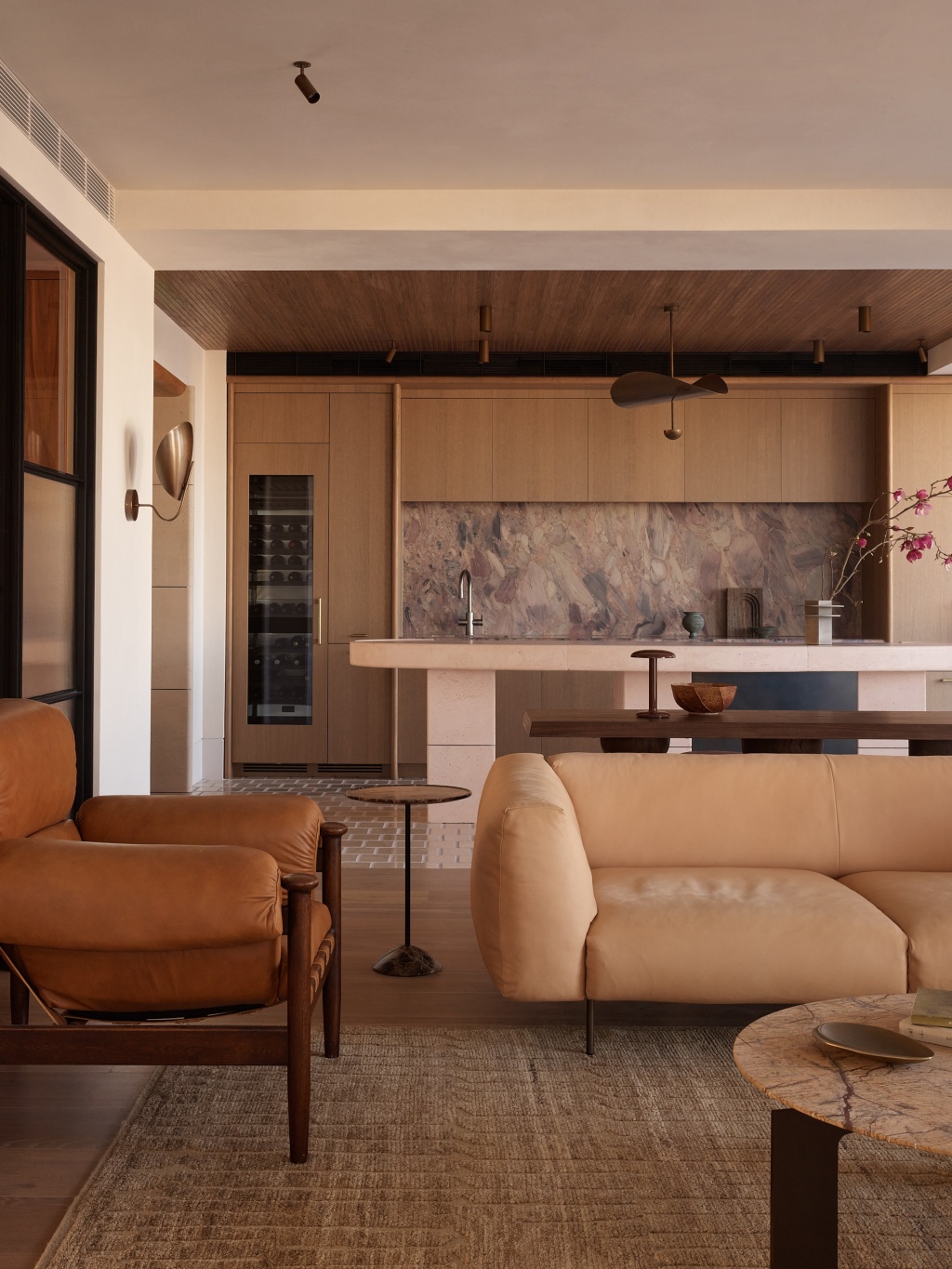
It was a combination. Lighting definitely spoke to me, and I had a sense of it. It can be difficult to grasp - people tend to focus on choosing light fittings rather than the light they produce and how you actually light a space. But from when I was young, I had a feeling for that in theatre. It’s all feeling. It’s all drama. Lighting and sound underpin the emotional experience of the audience. And obviously that has translated into hospitality work, because it’s the same thing.
[JB]
How were you introduced to making?
[SD]
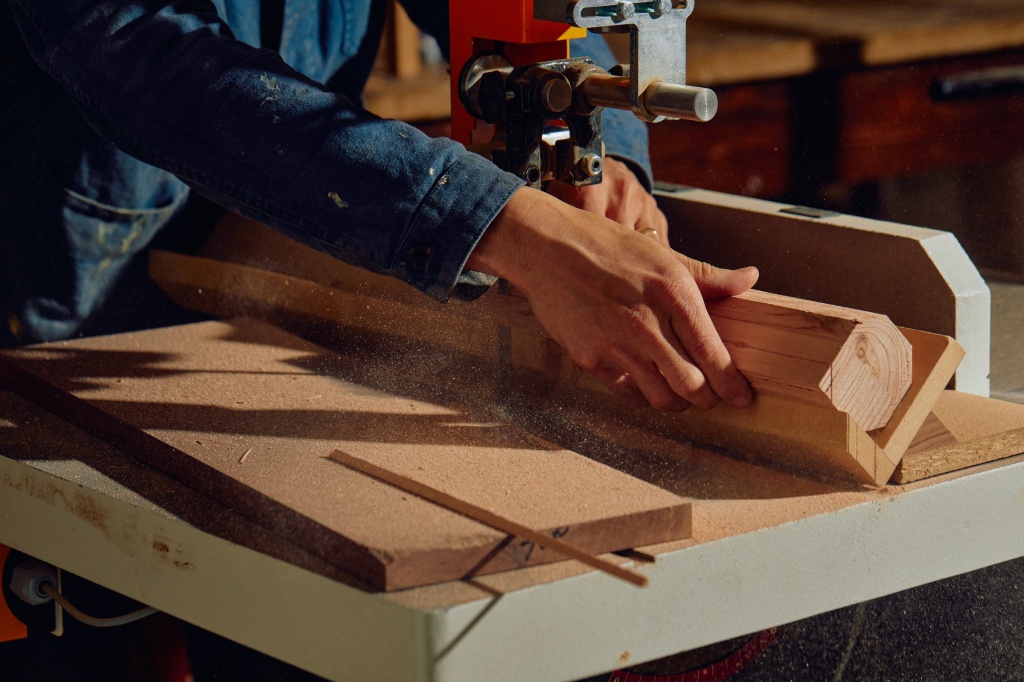
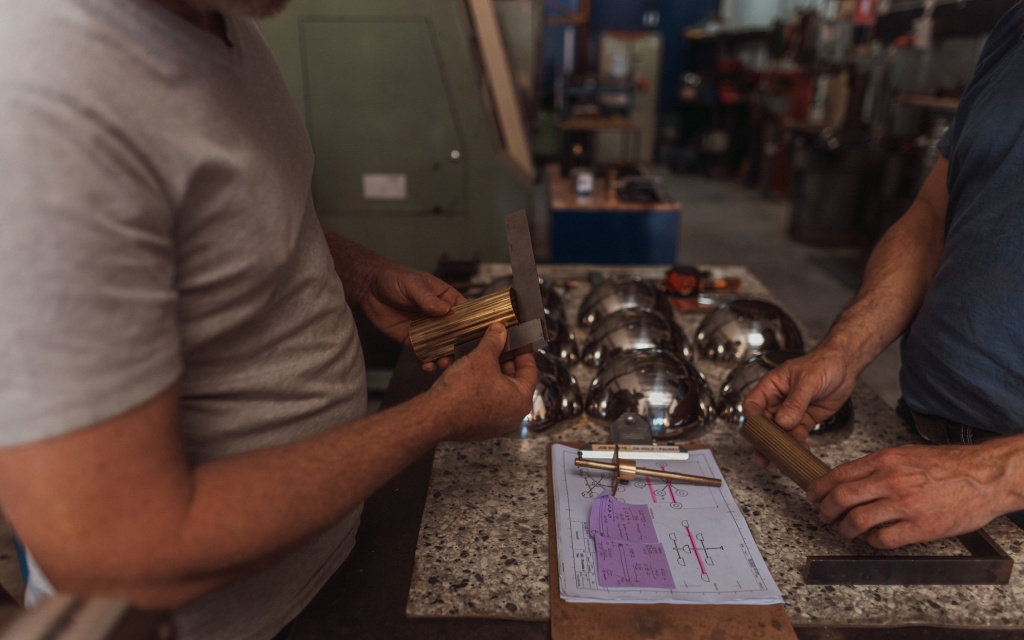
My dad had three garages full of woodworking equipment. You couldn’t fit a car in there. He made everything in my parents’ house. I’d also go with him on weekends to the metal workshop where he worked and, crazily enough, I was allowed to play around unsupervised.
My mum did everything; macramé, pottery, sculpting. It was the late ’60s and ’70s, with all that creativity.
My mum did everything; macramé, pottery, sculpting. It was the late ’60s and ’70s, with all that creativity.
[JB]
How did you find yourself in Sydney?
[SD]
I spent a few years in London before my brother called me from Bondi and simply said, 'You've got to come here.' I found work with a production lighting company doing everything from concerts and Mardi Gras to New Year's Eve on Sydney Harbour. It wasn't theatre anymore, but it taught me another side of lighting.
[JB]
When did architecture enter the picture?
[SD]
I moved to the Blue Mountains and I was working in a café. The lighting was terrible. I asked the owners if I could make them some lights. They said yes. I built a series of simple recycled timber wall lights and when they were installed something clicked.
That was when the penny dropped for me. I wanted to make lights.
That was when the penny dropped for me. I wanted to make lights.
[JB]
What happened next?
[SD]
I knew I needed to understand architecture, lighting and design. I took a job in a lighting showroom in Woollahra, working with architects across Sydney's Eastern Suburbs. Very quickly I realised I wasn't a particularly good salesperson. Architects would bring me plans covered in tower lights and I'd spend my time redesigning people's lighting layouts instead, halving the amount of lights, which obviously wasn't good for my boss.
[JB]
Did you have an office or a workshop at that point?
[SD]
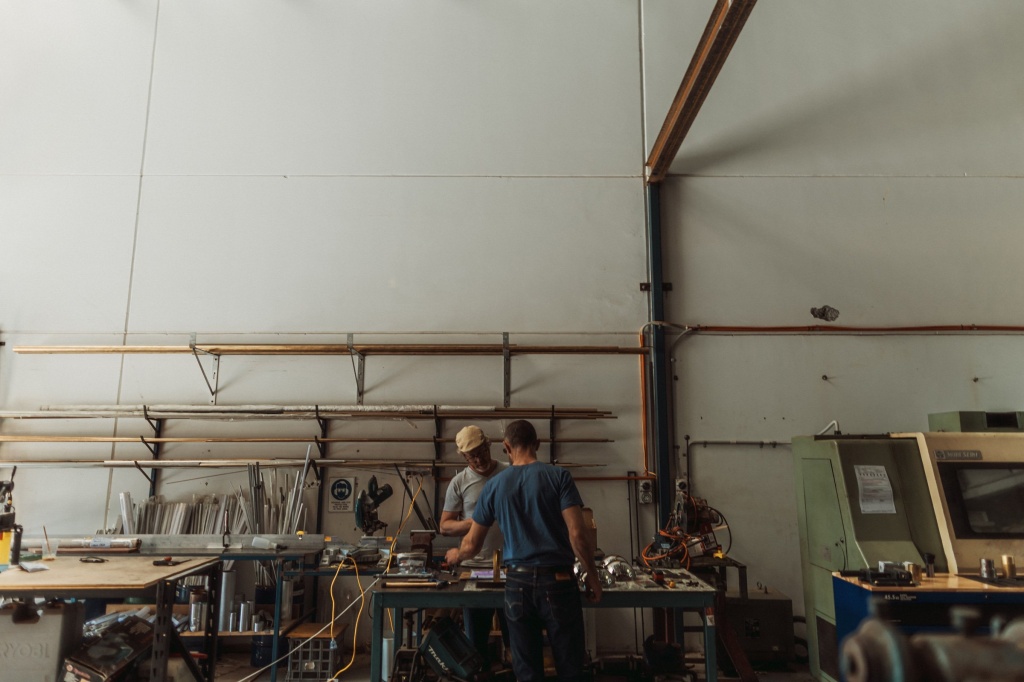
I moved to Malabar and had a garage out the back where I set up my first workshop and started making custom lights. I was doing more commercial and hospitality projects, and suddenly the custom lighting really took off.
[JB]
Is that when you started 27Hundred?
[SD]
Yes. I had a lighting consultancy and wanted to do things on projects that the budgets didn’t allow for, so I started making them myself. My first range, 27Hundred Kelvin, was based around the Edison bulb aesthetic. I then partnered with an industrial designer and we started The Lighting Guild, making everything ourselves for 11 years.
[JB]
But you were never interested in mass production?
[SD]
No. I wanted to experiment with handmade, low-volume pieces - beautiful objects that weren’t mass produced. I wanted to design things, actually make them and then sell them. I continued 27Hundred until three years ago, when Transmitt took over.
[JB]
It's been an incredible journey and it's not over.
[SD]
It feels like in some ways I'm only just arriving. I feel blessed for everyone who's been part of the journey, with my parents as makers to the team I've got around me now.
[JB]
I recently read about Michelangelo working on St Peter's Basilica into his eighties. He worried he would never have enough time to become a master, yet those final years became some of his most productive.
I think about that often. It reminds me there’s always more to learn.
I think about that often. It reminds me there’s always more to learn.
Learn more about Transmitt